
Crochet Design Requires Real Experience
The crochet world has always been built on creativity, skill, and years of experience. Behind every well-written crochet pattern is a designer who has spent countless hours experimenting with stitches, testing construction methods, frogging mistakes, calculating yarn requirements, and refining instructions until they are clear and enjoyable to follow.
As artificial intelligence becomes more common online, AI-generated crochet patterns are appearing everywhere. Some are sold individually, while others are bundled together in massive collections at extremely low prices.
35% Raverly Sale
At first glance, these patterns may seem like a bargain.
However, there are several reasons why crochet enthusiasts often get better value from patterns created by real designers.

Crochet Design Is More Than Generating Instructions
A quality crochet pattern is not simply a list of stitches.
A real crochet designer understands how yarn behaves, how stitch combinations affect drape, how shaping works, and how a finished project will look and feel in the real world.
When a designer creates a pattern, they are making hundreds of decisions based on experience:
- Will this stitch pattern curl?
- Does the fabric have enough stretch?
- Will the project maintain its shape after washing?
- Are the stitch counts correct?
- Can beginners understand the instructions?
AI cannot physically crochet a project to verify these details. It can only generate text based on patterns it has learned from existing information.

Original Designers Test Their Work
One of the biggest differences between an original crochet pattern and an AI-generated pattern is testing.
Professional designers often:
- Crochet multiple samples
- Verify stitch counts
- Check sizing calculations
- Measure yarn usage
- Create photo tutorials
- Work with pattern testers
- Revise instructions based on feedback
This process helps ensure that the finished pattern actually works.
AI-generated patterns are frequently produced instantly, without being physically tested from start to finish.
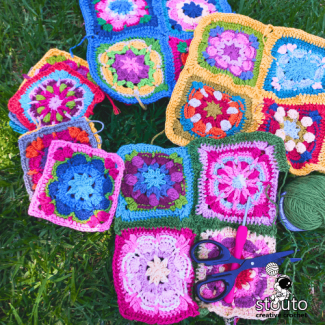
Human Experience Matters
Crochet is a craft learned through experience.
When a designer writes a pattern, they anticipate common mistakes and explain tricky sections clearly.
Many designers include:
- Helpful tips
- Alternative techniques
- Detailed photos
- Stitch diagrams
- Troubleshooting advice
- Customer support
These additions come from years of crochet knowledge and interaction with real crocheters.
An AI-generated pattern typically lacks this practical experience because it has never held a crochet hook, worked with yarn, or completed a project.
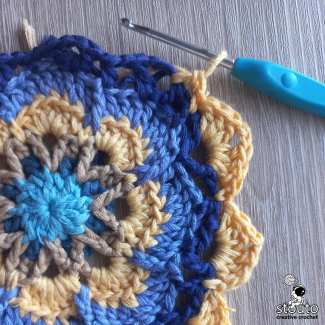
Unique Designs Come From Creative Vision
Many crochet designers spend years developing their own style.
Whether it's a distinctive granny square, a stitch sampler blanket, an intricate shawl, or a unique amigurumi character, these creations are often the result of imagination, experimentation, and artistic expression.
AI does not have a creative vision of its own.
Instead, it generates content based on patterns found in existing data. This can sometimes result in designs that feel generic, repetitive, or similar to work that already exists.
When you purchase from an original designer, you are supporting genuine innovation within the crochet community.

Low Prices Can Come at a Cost
Many AI-generated pattern bundles are sold at extremely low prices.
While the price may seem attractive, buyers often discover that:
- Instructions are unclear
- Stitch counts contain errors
- Photos do not match the pattern
- Finished projects differ from expectations
- Support is unavailable
A lower price is not always a better value if the pattern causes frustration, wasted yarn, or unfinished projects.
Supporting Real Crochet Designers Helps the Craft Grow
Every time you purchase a pattern from an independent crochet designer, you help support:
- New pattern development
- Original artwork
- Pattern testing
- Tutorials and educational content
- Small creative businesses
These designers invest significant time and effort into producing high-quality crochet resources for the community.
Without support for original creators, it becomes increasingly difficult for genuine designers to continue creating new patterns.
How to Spot an Original Crochet Pattern
Before purchasing, look for signs that a pattern was created by a real designer:
- Multiple photos of the finished project
- Clear designer branding
- Detailed pattern descriptions
- Tester photos
- Customer reviews mentioning successful projects
- Stitch diagrams or tutorials
- An active website, blog, or social media presence
These indicators often suggest that the pattern has been carefully developed and tested.
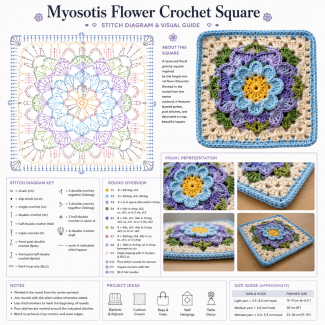
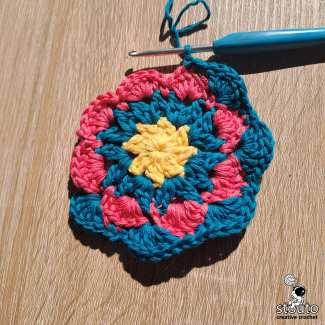
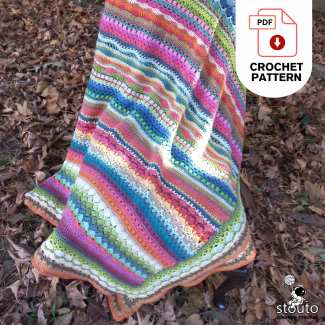
Below is the actual pattern tested in 4 rounds, yet the graphic above shows a completely different end result, from the written pattern.
The Bottom Line
AI can be a useful tool for generating ideas, organizing information, or assisting with certain creative tasks. However, crochet patterns are most valuable when they come from real-world experience, testing, and craftsmanship.
A crochet pattern is more than a collection of stitches.
It is the result of a designer's knowledge, creativity, problem-solving, and dedication to the craft.
When you invest in an original crochet pattern, you are not only purchasing instructions, you are supporting the people who keep the crochet community innovative, inspiring, and alive.
Why Crochet Designers Still Prefer Videos and Step-by-Step Photos Over AI Generated Patterns
Artificial intelligence has become increasingly popular in the crochet world. It can write blog posts, generate pattern descriptions, create marketing content, and even attempt to produce stitch diagrams.
However, this conversation demonstrates exactly why experienced crochet designers and fibre artists continue to rely on videos, photographs, and manually created tutorials when sharing their work.

Crochet Is Geometry, Not Just Words
At first glance, crochet patterns may appear to be simple lists of instructions.
For example:
* 8 x 3dctog, ch2
* 8 x 2dctog, ch2, 2dctog
* 8 x 6dc-shell
* 8 x 12dc shells
To an experienced crocheter, these instructions immediately suggest structure, texture, expansion, and shaping.
To AI, they are often interpreted as isolated stitch groups rather than components of a three-dimensional textile design.
The result is that AI can read the words, but frequently struggles to accurately visualize the finished object.
The Chat Example
In this conversation, a crochet pattern for the "Forgotten Flower" square was provided.
Based solely on the written instructions, AI generated a visual interpretation of the square.
The result looked attractive.
The problem?
It looked nothing like the actual finished square.
The generated image featured:
- Incorrect petal placement
- Different flower proportions
- Simplified shaping
- Missing structural details
- Incorrect transition from circle to square
Only after the actual photograph of the finished crochet square was provided could the true structure of the design be understood.
This highlights a major limitation of AI-generated crochet content.
Crochet Contains Hidden Information
Every experienced crochet designer knows that patterns contain information that is never fully written down.
When a designer sees:
"12dc shell"
they automatically understand:
- The shell height
- The shell curvature
- How the shell interacts with surrounding stitches
- How tension affects the shape
- Whether the shell creates petals, leaves, waves, or texture
AI often lacks this practical understanding because it has never physically crocheted a stitch.
It can recognize patterns in text but cannot feel yarn tension, observe blocking effects, or understand how stitches naturally behave.
Why Videos or Per row Photo Instructions Are So Effective
A crochet video shows information that a written pattern cannot always communicate.
A video or demonstrates:
- Stitch placement
- Hook insertion points
- Yarn tension
- Petal shaping
- Direction of work
- Texture development
- How rounds naturally form
Many questions that arise from written instructions disappear completely once a crocheter watches a short demonstration.
This is why video tutorials remain one of the most powerful teaching tools available to fibre artists.

The Importance of Step-by-Step Photos
Step-by-step photographs provide checkpoints throughout a project.
Instead of wondering:
"Does my round look correct?"
a crocheter can compare their work directly to the designer's photograph.
Photos reveal:
- Shape
- Stitch placement
- Texture
- Colour transitions
- Petal formation
- Corner construction
These visual references help prevent mistakes before they become difficult to fix.

Why Handmade Stitch Diagrams Still Matter
Creating a proper crochet stitch diagram requires understanding how every stitch interacts with the rounds before and after it.
A skilled crochet designer can:
- Follow stitch counts
- Track increases
- Understand shaping
- Represent stitch relationships accurately
AI can assist with drafting diagrams, but without careful review from the designer, important details can easily be misrepresented.
The generated diagram in this conversation looked professional, yet it did not accurately reflect the true structure of the finished square.
A beautiful chart is only useful if it is correct.
AI Is a Tool, Not a Replacement
Artificial intelligence can be incredibly useful for:
- Writing blog posts
- Creating pattern summaries
- Generating SEO content
- Drafting descriptions
- Organizing instructions
What it cannot reliably do is replace the experience, knowledge, and craftsmanship of an original crochet designer.
The designer understands:
- Why stitches were chosen
- How shaping develops
- What the finished piece should look like
- How to teach the technique effectively
That knowledge comes from years of crochet experience, testing, and refinement.
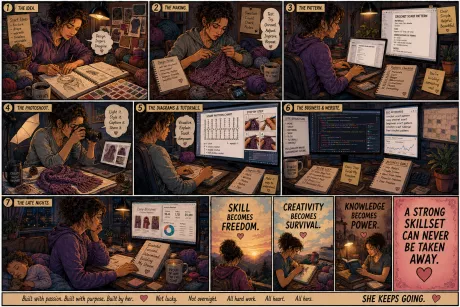
The Value of Original Fibre Artists
When purchasing a crochet pattern from an independent designer, you are not simply buying a list of stitches.
You are benefiting from:
- Design experience
- Pattern testing
- Stitch knowledge
- Technical editing
- Photography
- Tutorials
- Customer support
These elements cannot be automatically generated from a few lines of instructions.
The "Forgotten Flower" square from this conversation serves as an excellent example. The written pattern contains the mathematical structure of the design, but only the finished photograph truly reveals the beauty, balance, and intention behind the artist's work.
That is why many crochet designers continue to invest time in creating videos, stitch diagrams, and step-by-step photographs. They know that teaching crochet is about more than providing instructions, it's about helping makers understand how those instructions become a finished piece of fibre art.
The Growing Impact on Independent Crochet Designers
The rise of AI-generated crochet pattern bundles is creating a growing challenge for independent crochet designers.
On many online marketplaces, it is now common to find sellers offering bundles containing hundreds, and sometimes even thousands, of crochet patterns at extremely low prices. These bundles are often priced so aggressively that they appear to cover little more than marketplace fees.
For buyers, these offers may seem attractive. However, their widespread presence is having unintended consequences for the crochet design community.
Marketplaces Are Becoming Saturated
When search results become flooded with massive pattern bundles, original designers face an uphill battle simply being seen.
Many crochet designers are artists first and business owners second. Their expertise lies in creating beautiful patterns, testing designs, writing clear instructions, photographing projects, and helping fellow crocheters succeed.
What many designers do not have is extensive knowledge of search engine optimization, digital marketing, advertising strategies, or marketplace algorithms.
As marketplaces become increasingly crowded with bulk-uploaded pattern collections, genuine designers can find themselves pushed further down in search rankings, making it harder for buyers to discover their work.
The result is that carefully crafted, thoroughly tested patterns may receive less visibility than mass-produced listings that can be generated and uploaded at scale.ÿ
The Value of Original Work Is Being Undermined
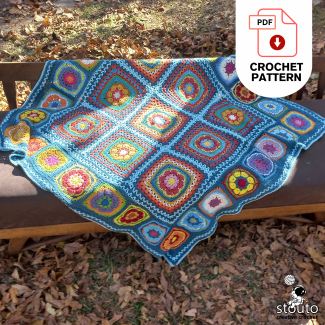
A crochet pattern represents far more than the final PDF download.
Behind every original pattern are hours, or often weeks, of work spent designing, crocheting samples, correcting errors, testing instructions, photographing projects, creating diagrams, and providing customer support.
When hundreds of patterns are bundled together and sold at extremely low prices, it can create the perception that crochet patterns have little value.
This makes it increasingly difficult for independent designers to earn a fair return on the time, skill, and creativity invested in developing original designs.
Pattern Copying Remains a Serious Concern
Many independent designers also face another challenge: unauthorized copying and redistribution of their work.
Original crochet patterns are frequently copied, rebranded, repackaged, and resold without permission from the designer who created them.
In some cases, these copied patterns are included within large digital bundles and sold at a fraction of the original price. The designer who invested the time and expertise to create the pattern often receives no compensation whatsoever.
This not only affects income but can also damage a designer's reputation when copied versions contain errors, missing pages, poor formatting, or altered instructions.
Creativity Thrives When Designers Are Supported
The crochet community has always been driven by creativity, innovation, and the sharing of knowledge.
Independent designers introduce new stitches, unique blanket designs, creative colorwork, original motifs, and innovative construction methods that keep the craft evolving.
When original creators struggle to compete against mass-produced bundles and unauthorized copies, fewer resources remain available for developing new designs.
Supporting independent crochet designers helps ensure that creativity continues to flourish and that future generations of crocheters have access to original, high-quality patterns created by people who genuinely love the craft.
Every purchase from an original designer is not simply a transaction—it is an investment in the future of crochet design itself.
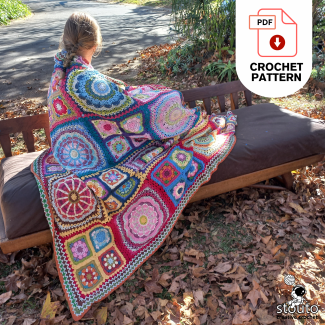
The Real Cost of Being a Crochet Pattern Designer
Many people assume that selling crochet patterns is an easy side hustle.
After all, once a pattern is written, isn't it just a digital file?
The reality is very different.
Most independent crochet designers begin designing because they genuinely love the craft. They love experimenting with stitches, creating beautiful projects, solving design challenges, and sharing their creativity with fellow crocheters around the world.
However, passion alone does not pay the bills.
For many designers, crochet design is not simply a hobby—it is their full-time profession and primary source of income.
Every Pattern Represents Hours of Work
Before a crochet pattern ever reaches a customer, countless hours have already been invested.
A designer must:
- Create the original concept
- Crochet multiple samples
- Calculate stitch counts and sizing
- Test the design
- Write clear instructions
- Create charts and diagrams
- Photograph the finished project
- Edit and format the pattern
- Answer customer questions
- Update the pattern when needed
Many projects require days, weeks, or even months of work before they are ready for publication.
What customers see as a downloadable PDF is often the result of dozens, if not hundreds, of hours of labour.
Designers Wear Many Hats
Independent crochet designers rarely have large teams behind them.
Most are responsible for every aspect of their business.
On any given day, a designer may be acting as:
- Designer
- Pattern writer
- Technical editor
- Tester coordinator
- Photographer
- Graphic designer
- Website manager
- Customer support representative
- Social media manager
- Marketing specialist
- Copyright holder
Every role requires time, effort, and expertise.
The pattern itself is only one part of the work.
The Hidden Business Costs Add Up
Many buyers are unaware of the ongoing expenses that independent designers absorb.
These costs often include:
- Marketplace fees
- Website hosting
- Domain registrations
- Design software
- Pattern formatting tools
- Photography equipment
- Cameras and lighting
- Editing software
- Email marketing services
- Advertising costs
- Business licenses and accounting fees
These expenses continue whether a pattern sells or not.
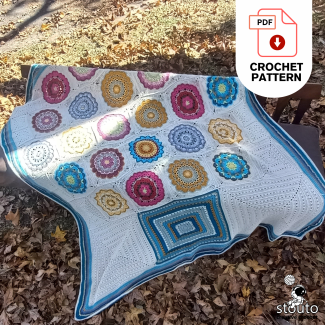
Yarn Is Rarely Free
Contrary to popular belief, most crochet designers are not sponsored by yarn companies.
In most cases, designers personally purchase every skein used in their projects.
Blankets, garments, and larger projects can require a significant yarn investment before a single pattern sale is made.
While some designers offer yarn kits alongside their patterns, this is not a simple process.
Creating a yarn kit often involves:
- Calculating exact yardage requirements
- Testing substitutions
- Managing inventory
- Coordinating suppliers
- Updating product listings
- Providing customer support
It adds another layer of work rather than reducing it.
One Pattern Does Not Fit Every Yarn
One challenge many non-designers overlook is that yarn availability varies dramatically around the world.
A yarn that is easy to purchase in one country may be impossible to find in another.
Designers often spend considerable time helping crocheters find substitutes, calculating gauge differences, and ensuring that projects can still be completed successfully with alternative yarns.
Creating a pattern that works across different yarn brands, weights, and markets requires experience and careful planning.
When Patterns Are Copied, Designers Lose More Than Sales
When a crochet pattern is copied, redistributed, or resold without permission, the impact extends beyond a single lost sale.
The designer loses compensation for:
- Their design work
- Their testing time
- Their photography
- Their written instructions
- Their customer support
- Their business expenses
More importantly, they lose income that helps fund future pattern development.
Every unauthorized copy represents hours of creative work that someone else is benefiting from without contributing to the designer who created it.
Supporting Designers Supports Future Creativity
The crochet community thrives because independent designers continue to create new ideas, develop new techniques, and share their knowledge with others.
Behind every pattern is a real person investing time, money, skill, creativity, and passion into their work.
When crocheters purchase directly from original designers, they are not simply buying instructions.
They are supporting the countless hours, resources, and dedication required to transform an idea into a pattern that can be enjoyed by crocheters around the world.
The true value of a crochet pattern is not measured by the size of the PDF.
It is measured by the expertise, craftsmanship, and love that went into creating it.
Explore More Crochet Tutorials on the Website
If you need extra help while working on your stitch sampler blanket, you can explore the crochet tutorials section on the website. These guides explain crochet stitches, techniques, and pattern methods in a clear and beginner-friendly way.
You’ll find helpful stitch tutorials, visual diagrams, and step-by-step guides that make it easier to learn new stitches and improve your crochet skills while completing your project.
Crochet Pattern FAQ
What are AI-generated crochet patterns?
AI-generated crochet patterns are patterns created by artificial intelligence software rather than by an experienced crochet designer. While some may appear complete, many have not been physically crocheted, tested, or reviewed by a human designer before being sold.
Why do AI-generated crochet patterns often contain errors?
Crochet patterns require real-world testing to verify stitch counts, shaping, sizing, yarn requirements, and construction methods. AI can generate instructions based on existing information, but it cannot physically crochet a project to confirm that every step works as intended.
Are all AI-generated crochet patterns bad?
Not necessarily. AI can be a useful tool for brainstorming ideas or assisting with drafting content. However, buyers should carefully evaluate whether a pattern has been tested, reviewed, and supported by a real crochet designer before purchasing.
How can I tell if a crochet pattern was created by a real designer?
Look for signs such as detailed project photos, tester feedback, customer reviews, designer branding, active social media accounts, tutorial content, stitch diagrams, and evidence that the pattern has been crocheted and tested before publication.
Why are some crochet pattern bundles so cheap?
Large pattern bundles often contain hundreds or even thousands of patterns sold at extremely low prices. While some bundles may contain legitimate content, others may include untested patterns, duplicated designs, public domain material, or patterns that have been redistributed without proper authorization.
Why do original crochet patterns cost more?
When purchasing from an independent crochet designer, you are paying for far more than a digital file. You are supporting the design process, pattern writing, testing, photography, formatting, customer support, website costs, marketplace fees, and the many hours invested in creating a high-quality pattern.
How long does it take to create a crochet pattern?
The answer varies depending on the complexity of the project. A simple pattern may require several days of work, while larger projects such as blankets, garments, and intricate designs can take weeks or even months to develop, test, edit, and publish.
Do crochet designers get free yarn from manufacturers?
Most independent crochet designers purchase their own yarn. While some larger designers may occasionally receive sponsorships, the majority personally cover the cost of yarn, hooks, photography equipment, software subscriptions, website maintenance, and other business expenses.
Why does pattern testing matter?
Pattern testing helps identify mistakes, unclear instructions, sizing issues, and stitch count errors before a pattern is released to customers. Tested patterns generally provide a smoother and more enjoyable crochet experience.
What happens when crochet patterns are copied or redistributed?
When patterns are copied, shared, or resold without permission, the original designer loses income from work they created. Unauthorized redistribution can also damage a designer's business and reduce the resources available for creating future patterns.
Are crochet patterns protected by copyright?
In many countries, the written instructions, photographs, charts, and layout of a crochet pattern are protected by copyright laws. Buyers should always respect the usage terms provided by the designer and avoid sharing or redistributing purchased patterns without permission.
Why are independent crochet designers struggling to compete online?
Many independent designers focus their time on creating patterns rather than mastering search algorithms, online advertising, or marketplace optimization. As marketplaces become increasingly crowded with mass-uploaded pattern bundles, it can become more difficult for original designers to maintain visibility.
Does buying from independent designers really make a difference?
Yes. Supporting independent designers helps fund future pattern development, educational resources, tutorials, testing programs, and innovation within the crochet community. Every purchase directly contributes to keeping original crochet design alive.
Should I buy from a designer or a large pattern bundle seller?
Consider what you value most. If you want tested instructions, customer support, accurate sizing, quality photography, and original creative work, purchasing from an established crochet designer often provides the best long-term value.
What is the true cost of a crochet pattern?
The cost of a crochet pattern extends far beyond the PDF itself. It includes the designer's creativity, testing time, sample making, yarn costs, photography, editing, website expenses, customer support, and the many hours invested in transforming an idea into a finished pattern.
How does supporting original crochet designers help the crochet community?
Original designers create new techniques, innovative projects, educational content, and fresh inspiration for crocheters around the world. Supporting these creators helps ensure that the crochet community continues to grow, evolve, and thrive for future generations.
