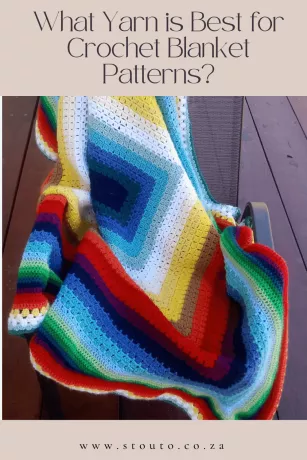
Choosing the right yarn ensures your blanket feels as good as it looks.
- Soft cotton : Great for summer blankets and baby projects.
- Acrylic : Affordable, machine washable, and durable for daily use.
- Wool blends : Warm and cozy for winter throws.
- Chunky yarns : Perfect for quick projects with extra squish.
Tip: Always choose a yarn that’s easy to care for, especially if you’re gifting the blanket.
Which Yarn weight is best for a crochet blanket?
When selecting yarn, always select a yarn you love and enjoy working with; this will make your process more enjoyable, and you are more likely to finish your project.
Consider yarn, which is readily available in a wide range of colors. Crochet blankets can be real stash busters, so select a yarn that you can easily stock up on if you run out of your favorite color. Always consider a yarn that is budget-friendly towards your means, you don't want to break the bank just because someone tells you this yarn is best for this blanket, there are great budget-friendly options available, that are very soft, and with a wide color selection, you should be able to still create a beautiful crochet blanket.
When choosing yarn, also consider the weight and texture based on the kind of blanket you want to make—whether you prefer a soft, plush texture or something sturdier.
Depends on the type of blanket you want to create.
Worsted Weight (Medium, 4)
By far the most popular yarn weight for crochet blankets. It strikes a good balance between thickness and ease of use. It works up quickly and creates a blanket that’s warm but not too heavy. Most standard blanket patterns use worsted-weight yarn.
Bulky (Weight 5)
If you're looking for a thick, cozy, and warm blanket, bulky yarn is a great choice. It works up very quickly, which is great for large projects. However, the final blanket will be heavier and thicker.
Aran (Light Worsted, Weight 4)
Aran weight yarn is very similar to worsted but is a little thicker. It creates a denser, warmer fabric, making it a good option for winter blankets.
DK (Double Knit, Weight 3)
My personal favorite :) Double-knit yarn is great for when you want a lighter, drapey blanket that’s perfect for warmer climates; DK weight yarn works well. It’s not too heavy, so it creates a softer, more delicate texture compared to heavier yarns. I live in a warmer climate, where there might be cold spells 3 to 5 months of the year, so using a lightweight yarn for me helps me make items that can be used all year round.
Super Bulky (Weight 6)
This weight is for those looking for a thick, plush blanket that works up extremely fast. It’s great for blankets that are meant to be extra cozy and warm, but it can be a bit stiff for some types of designs. Also note that when using bulky yarn you will need to make a size swatch beforehand, as you don't want to end up with an overly large blanket or project.
For most crochet blankets, worsted weight (4) is the go-to choice because of its versatility, ease of use, and balanced feel. If you want something quicker and extra cozy, you might choose bulky (5) or super bulky (6). If you're looking for something lighter, DK (3) would be ideal.
It's always best to make a size swatch before you create your blanket to ensure you end up with the correct size you want to make.
Make sure you check the pattern notes on which patterns include resizing information, especially if you know that you won't use the yarn specified in the pattern.
How much yarn will you need?
When making a blanket , choose a yarn brand which is readily available to you.
You don't want to run out of yarn halfway through a beautiful project. If you have limited yarn available, make smaller projects like bags, hats, scarfs, or toys.
What type of yarn is best for crochet blankets?
The best yarn for crochet blankets is usually medium-weight (worsted) yarn made from acrylic, cotton blends, or wool blends. These yarns offer a good balance of softness, durability, warmth, and ease of care.
Which yarn weight should I use for a crochet blanket?
Most crochet blankets use DK (3), worsted/medium (4), or bulky (5) yarn. Medium-weight yarn is the most popular choice because it works up evenly, suits most stitch patterns, and is widely available.
Is acrylic yarn good for crochet blankets?
Yes, acrylic yarn is an excellent choice for crochet blankets. It is affordable, lightweight, widely available, and machine washable, making it ideal for everyday use and gifts.
What yarn is best for baby crochet blankets?
The best yarn for baby blankets is soft, non-irritating, and easy to wash. Acrylic, cotton, or bamboo blends are popular choices because they are gentle on sensitive skin and durable enough for frequent washing.
Is cotton yarn good for crochet blankets?
Cotton yarn is great for lightweight and breathable blankets, especially for warmer climates. However, it has less stretch than acrylic or wool, so it works best with looser stitch patterns.
What yarn is best for warm crochet blankets?
For warm blankets, choose wool blends, acrylic, or bulky yarns. These fibres trap heat well and create cozy, insulating blankets suitable for colder weather.
Should I swatch before starting a crochet blanket?
Yes, making a swatch helps ensure your stitch tension and sizing are consistent. Swatching is especially useful when using a new yarn, changing hook sizes, or following a specific blanket pattern.
Can I mix different yarn types in a crochet blanket?
You can mix yarns if they have the same weight and similar care instructions. Mixing fibres with different stretch or washing requirements can cause uneven texture or care issues over time.
How does yarn choice affect the look of a crochet blanket?
Yarn choice affects the drape, texture, warmth, and durability of a blanket. Thicker yarns create chunky, textured blankets, while lighter yarns produce smoother, more flexible finishes.
How much yarn do I need for a crochet blanket?
The amount of yarn depends on the blanket size, stitch pattern, and yarn weight. A medium-weight yarn blanket typically requires several skeins, with larger blankets needing significantly more yardage.
What is the easiest yarn to work with for beginners?
For beginners, medium-weight acrylic yarn is the easiest to work with. It glides smoothly on the hook, holds stitch definition well, and is forgiving of small tension changes.